
You collect the keys, walk out into the Dubai heat, and the car looks exactly the way a luxury car should. The paint is deep, glossy, and free of the tiny marks that ruin the effect up close. That part feels effortless to the driver.
It isn’t effortless behind the scenes.
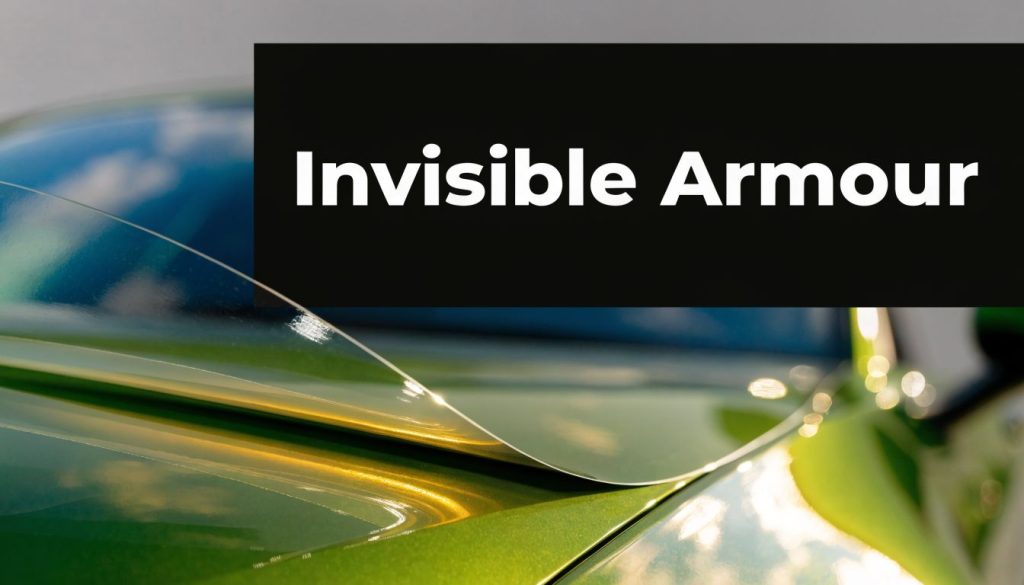
In a place where motorway debris, abrasive dust, strong sunlight, bug splatter, and daily handovers all work against a car’s finish, keeping premium vehicles looking factory-fresh takes more than polishing. The protection has to sit on the car before the damage happens. That’s where paint film protection for cars changes the game. Done properly, paint protection film, usually called PPF, acts like invisible armour. It preserves appearance, reduces cosmetic downtime, and protects the value that matters just as much as the driving experience.
For private owners, that means less anxiety every time you park, travel, or clean the car. For luxury rental fleets, it’s even more practical. Presentation affects bookings, client confidence, and resale. If the paintwork slips, the whole asset slips with it.
Your Pristine Luxury Car Experience Starts Here
A luxury car is judged before the engine even starts. Clients notice the bonnet line in the sunlight, the clarity of the paint on the front wings, and whether the bumper still looks sharp from a few steps away. In Dubai, that standard is harder to maintain than many people expect.
A car can leave the detailing bay in excellent condition and still face a punishing mix of motorway grit, blown sand, harsh UV exposure, and urban contamination in a single day. The problem isn’t only dramatic damage. It’s cumulative wear. Tiny impacts on the front end. Fine marks around door edges. Surface contamination that bonds faster in heat.
That’s why professional operators rely on paint protection film long before they think about corrective polishing. PPF isn’t there to make a neglected car look better. It’s there to stop a well-presented car from deteriorating in the first place.
A premium vehicle shouldn’t need cosmetic recovery after every hard week on the road. It should be protected well enough that routine use still looks premium.
For renters, that protection often goes unnoticed, and that’s exactly the point. The best PPF work is nearly invisible. You see the colour, the gloss, and the shape of the bodywork. You don’t see the barrier taking the abuse first.
When people ask why high-end fleets stay unusually clean-looking despite constant use, the answer usually isn’t a miracle polish. It’s preparation. Good film, installed correctly, on the right panels.
What Is Paint Protection Film An Invisible Armour
Paint protection film is a clear urethane-based layer applied over painted surfaces to shield them from physical and environmental damage. The easiest comparison is a premium screen protector for a phone, but modern automotive film is far more advanced. It has to flex over complex body lines, stay optically clean, resist contamination, and hold up under heat.
In current automotive use, the market is dominated by thermoplastic polyurethane, or TPU, which holds 65-82% market share because of its self-healing properties, and in Dubai’s summer heat this technology helps minor scratches mend; one cited industry source also notes that 95% of treated vehicles show no paint damage upon film removal after 5 years in this context (SNS Insider paint protection film market report).

How the film is built
A proper PPF system isn’t just a sheet of plastic. It’s a layered material designed to solve several problems at once.
- Adhesive layer keeps the film bonded to the paint without becoming visually messy when installed by a trained technician.
- Polyurethane body absorbs impact and takes the first hit from stone strikes, sand abrasion, and light scuffing.
- Topcoat provides the slick, self-healing, contamination-resistant surface people notice in daily use.
Some products also focus heavily on optical clarity, so the film doesn’t mute metallic flake or distort reflections. That matters more on luxury cars than most buyers realise. A protective product that changes the look of the paint too much defeats the point.
What self-healing really means
Self-healing sounds like marketing until you see it on the right film. Minor wash marks and light surface marring can soften or disappear when the film warms up. In Dubai, ambient heat does some of that work naturally. On specific products designed for it, the elastomeric top layer reforms after light surface disturbance rather than locking the mark in place.
That doesn’t mean every scratch disappears. Deep gouges, cuts, and hard impacts still damage film. PPF is tough, not magical. But for the kind of day-to-day superficial wear that quickly makes a black or dark-coloured car look tired, self-healing changes the ownership experience.
Practical rule: If you want real impact protection, look for TPU-based film and judge the installer as carefully as the brand.
Why modern film is different from older film
Older generations of protection film often suffered from yellowing, visible texture, poor edge finish, or limited stretch. Modern high-spec film is more refined. It sits flatter, looks clearer, and performs better under heat.
That’s also why buyers comparing products should read beyond brand slogans. If you’re researching options, this guide to the best car paint protection film is a useful starting point because it frames film quality in practical terms rather than hype.
For luxury applications, the right film should disappear visually while taking abuse physically. If it’s obvious on the car, poorly cut, or badly aligned, it isn’t premium protection.
Key Benefits of PPF for Luxury Vehicles in Dubai
A white Range Rover can leave our yard in immaculate condition at noon and come back the same evening with fresh peppering on the front bumper, faint marks around the luggage area, and new scuffs near the door handles. In Dubai, that is routine use, not abuse. PPF earns its place because it protects the paint in the places that lose condition first, and on a rental fleet that directly affects presentation, downtime, and resale.
PPF also solves a different problem from polishing. Polishing corrects damage after it appears. Film reduces how often the original paint gets hit in the first place.

Defence where Dubai cars lose condition fastest
The pattern is predictable. Front bumpers, bonnet edges, front wings, mirror caps, side sills, boot lips, and door handle cups take the earliest visible wear. Highway driving throws debris at the nose of the car. Valet parking, hotel ramps, luggage loading, and frequent handovers create a second set of risks around side contact points and entry areas.
For a private owner, that means more correction work. For a luxury rental operator, it means more than that. A chipped bumper or scarred sill changes the customer’s first impression, raises refurbishment costs, and can take a high-value car out of rotation for cosmetic work that could have been delayed or avoided.
Benefits that matter in real fleet use
- Fewer visible chips on high-impact panels: Film absorbs the routine strikes that would otherwise mark the paint on the front end.
- Lower correction frequency: Cars need less machine polishing because the abuse lands on the sacrificial layer, not the lacquer.
- Better handover condition: Protected paint holds a cleaner, sharper look between bookings, photo shoots, and showroom checks.
- More consistent panel appearance: Exposed areas age more evenly with the rest of the body, which matters on dark colours and large, flat panels.
- Protection for hard-to-correct finishes: Matte paint and complex factory colours are expensive to repair properly and difficult to blend invisibly.
That last point matters more in Dubai’s luxury segment than many buyers expect.
Why premium cars get more value from PPF
Luxury vehicles punish cosmetic neglect quickly. Black paint shows every wash mark. Satin and matte finishes limit correction options. Low front ends, wide rear haunches, and sculpted sill sections sit directly in the path of grit, shoes, bags, and careless door contact.
The financial case is clear. Original paint is easier to defend than repaint quality. Once a prestige car has stone chips, bumper respray work, edge sanding marks, or a slight colour mismatch, experienced renters, buyers, and inspectors notice it immediately. We see that in fleet management all the time. Cars with cleaner original paint are easier to market, easier to hand over with confidence, and easier to dispose of at the right number.
Renters also benefit. A well-protected car arrives looking closer to the standard promised in the listing, and there is less chance of pre-existing cosmetic wear being confused with damage during the rental period.
Where PPF delivers the strongest return
Best use cases
- Front-end packages for motorway-driven cars: The best cost-to-protection ratio for daily rental use.
- Full-body coverage for exotics and flagship models: The right choice where every panel is visible, expensive, and closely inspected.
- Boot lip, sill, and handle-cup protection for chauffeur and airport work: These are small areas, but they take constant contact.
- Film topped with an easy-clean surface layer: Helpful for cars that need to turn around quickly between bookings. For readers comparing surface protection options, What is Ceramic Coating: The Ultimate Guide to Vehicle Paint Protection gives useful background.
Where buyers get disappointed
- Cheap film on expensive paint: Poor clarity, visible edges, and premature staining undermine the whole point.
- The wrong coverage plan: Protecting low-risk panels while leaving the bumper, bonnet edge, and mirrors exposed wastes budget.
- Unrealistic expectations: PPF handles routine impacts and abrasion well, but it will not stop every deep cut, curb scrape, or heavy strike.
For luxury vehicles in Dubai, the core benefit is simple. PPF helps keep the car in rental-grade, showroom-grade condition for longer, which protects both appearance and asset value.
PPF vs Ceramic Coatings A Head-to-Head Comparison
People often compare PPF and ceramic coating as if one has to replace the other. In practice, they solve different problems.
PPF is primarily a physical barrier. It absorbs impacts, resists abrasion, and can self-heal at the surface on the right film systems. Ceramic coating is primarily a surface treatment. It improves slickness, boosts gloss, and makes routine cleaning easier because contamination has a harder time bonding.
That’s why the wrong question is “Which one is better?” The better question is “What kind of risk am I trying to manage?”

The side-by-side reality
| Feature | Paint Protection Film (PPF) | Ceramic Coating |
|---|---|---|
| Protection type | Physical barrier over the paint | Chemical layer bonded to the surface |
| Best against | Chips, light scuffs, abrasion, surface marring | Water spotting, grime, wash maintenance |
| Self-healing | Often yes on modern TPU films | No |
| Impact resistance | Strong | Limited |
| Hydrophobic behaviour | Often good, especially with advanced topcoats | Usually a core selling point |
| Visual effect | Preserves original look, available in gloss or matte | Enhances gloss and slickness |
| Surface feel | Smooth, slightly sacrificial layer | Slick, hard-feeling finish |
| Best use case | High-risk panels or full-body preservation | Easier washing and appearance enhancement |
| Can they be combined | Yes | Yes, often over PPF |
The table tells most of the story. Ceramic coating doesn’t replace the impact protection of PPF, and PPF doesn’t make a ceramic coating irrelevant if your goal includes easier maintenance and a very slick finish.
Where ceramic coating wins
Ceramic coating is often the smarter first step for drivers who care most about wash behaviour, gloss, and surface cleanliness. It suits cars that see gentler use or lower motorway exposure. It also appeals to owners who want paint enhancement without the bigger commitment of film.
If you want a deeper primer on coating behaviour, bonding, and maintenance expectations, What is Ceramic Coating: The Ultimate Guide to Vehicle Paint Protection gives a useful overview.
Where PPF wins
PPF wins the moment physical damage enters the conversation. If your front bumper regularly meets road grit, or your car spends real time on fast roads, no ceramic coating will do what film does. A coating may help bugs wash off. It won’t absorb a stone strike.
That distinction matters a lot on luxury cars, where one badly chipped front bumper can push the car into a repaint discussion nobody wanted.
Ceramic coating helps you clean the car. PPF helps you keep the paint.
The strongest setup for premium vehicles
For high-end cars, the best answer is often layered protection with a clear order of priorities.
- Correct the paint first so defects aren’t trapped under anything.
- Install PPF on the vulnerable panels, or wrap the whole car if preservation is the priority.
- Apply ceramic coating over the film and exposed areas if the owner wants easier wash behaviour and more surface slickness.
That combined approach is especially useful on dark paint, matte finishes, and cars that alternate between city driving and longer road use.
Common buying mistakes
- Choosing ceramic coating to solve chip anxiety: It won’t.
- Choosing PPF only for gloss enhancement: That’s not its main job.
- Comparing only price tags: The cheaper option can be wrong if it doesn’t address the actual risk.
- Ignoring installer quality: A great product still looks poor in untrained hands.
A clean decision framework is simple. If you fear impacts, choose film. If you hate wash maintenance, choose coating. If you care about both, combine them.
The Professional PPF Installation Process Demystified
Good PPF work starts before the film ever touches the car. People often focus on the brand name printed on the box, but installation quality decides whether the result looks factory-clean or visibly aftermarket.

Surface preparation decides the finish
The vehicle is washed, chemically decontaminated, and inspected under strong lighting. If the paint has swirls, bonded contamination, or old residue, the installer deals with that first. Film doesn’t hide poor paint preparation. It preserves whatever sits underneath it.
That’s why serious workshops treat prep as part of the product, not as an optional extra. If you’re evaluating specialist support around premium vehicle care in Dubai, this guide to the best luxury car repair shops in Dubai helps frame what professional standards should look like.
Cutting and positioning
Most quality installers use software-cut patterns for specific vehicle models. That reduces direct knife work on painted panels and improves consistency from one car to the next. On difficult areas, experienced technicians may still bulk-fit sections by hand, but that should be a deliberate choice, not a shortcut.
The film is then applied with a slip solution that allows repositioning. At this stage, patience matters more than speed. Curves, vents, edges, sensors, and badges all create complexity.
Workshop reality: The same film can look excellent or poor depending on edge wrap, alignment, and contamination control during install.
Squeegee work and edge finishing
Once aligned, the technician uses a squeegee to push out moisture and air while setting the film evenly across the surface. During this process, trapped solution, tension marks, and stretch management are handled. On prestige cars, edge finish matters a lot. Visible lift lines and exposed cut margins ruin the effect.
Areas such as mirror housings, bumper corners, wheel arch lips, and door edges separate average installers from very good ones.
A clear visual of professional handling helps more than a long description:
Curing and handover
After installation, the film needs time to settle and cure. During that period, some moisture haze or tiny pockets can appear and then clear as the film stabilises. Good installers explain what is normal, what needs monitoring, and when the first wash is safe.
The key takeaway is simple. Premium PPF isn’t a product-only purchase. It’s product plus prep, product plus patterning, product plus edge control, and product plus aftercare.
Costs Warranties and Maintaining Your Protected Vehicle
In a luxury rental fleet, cost only matters in context. The right question is how much exposure the car will see, how perfect it needs to look between bookings, and whether the protection spend will save repainting, correction work, or resale loss later.
For some cars, a front-end package is enough. For others, it is false economy.
Choosing the right coverage
A front-end install usually covers the bonnet’s leading edge or full bonnet, bumper, front wings, mirror caps, and often headlights. That package suits cars that spend most of their time on Sheikh Zayed Road, airport runs, and business use, where stone chips and sand blasting hit the nose first.
A full wrap makes more sense for high-value stock, dark paint, matte finishes, wide-body cars, and vehicles booked for weddings, events, VIP transfers, or frequent valet parking. Those cars pick up marks everywhere, not just at the front. Door cups, loading edges, rear arches, and bumper corners all matter when presentation is part of the product.
We make that decision panel by panel, not by brochure category. A Rolls-Royce used for ceremonies has different risk points from a performance SUV doing daily city and motorway work.
What a good warranty actually tells you
Warranty length is only one part of the picture. The better question is what the film maker is willing to stand behind, and what the installer is prepared to fix if something goes wrong.
A proper film warranty should clearly cover issues such as yellowing, cracking, bubbling, or adhesive failure under normal use. One useful product reference is this Scotchgard Pro Series datasheet summary. It gives you a better basis for comparison than vague sales language.
The trade-off is simple. A strong manufacturer warranty does not excuse poor installation, and a skilled installer cannot turn a weak film into a premium one. You need both.
Maintenance that protects the finish and the budget
PPF is low-maintenance, but it is not no-maintenance. Most avoidable problems come from rushed washing, harsh chemicals, or pressure washing too close to an exposed edge.
- Let the film cure fully: Follow the installer’s wash timeline before the first proper clean.
- Use sensible wash methods: pH-neutral shampoo, clean mitts, and soft drying towels reduce surface marring.
- Keep pressure away from edges: Directing a lance into seams, corners, or wrapped edges can start lift.
- Clean off bug splatter and bird droppings early: Dubai heat bakes contamination into any surface, including film.
- Check impact zones after a hard hit: Bumpers, bonnet edges, mirror caps, and rear arches deserve a quick inspection.
For rental operators, maintenance discipline is part of margin control. Film that is cleaned properly lasts longer, looks clearer, and avoids the tired, patchy appearance that undermines a premium handover.
Insurance also deserves a quick check, especially if you own, finance, or operate higher-value vehicles in the UAE. A clear guide to car insurance coverage types and what they actually include helps when you are working out where cosmetic protection ends and policy responsibility begins.
Paint Protection Film for Luxury Rentals What Renters Must Know
For a luxury rental business, PPF is not just a cosmetic upgrade. It’s part of asset management. High-use vehicles face repeated exposure to airport runs, business travel, event bookings, hotel parking, fast-road driving, and frequent cleaning. Every one of those touchpoints can age paint faster.
One verified industry note puts it plainly. For high-utilisation rental fleets in Dubai, PPF is a strategic investment, not merely a visual one, because the total cost of ownership under extreme heat and sand abrasion is offset by preserved vehicle value in a business where fleet presentation directly affects profitability (rental fleet PPF context).
What renters should understand
If you’re driving a PPF-protected car, the main benefit is confidence. Minor surface scuffs that would look alarming on bare paint may affect only the film. Light marks can sometimes settle or self-heal rather than becoming permanent cosmetic defects.
That doesn’t mean renters can ignore damage. Significant impacts, deep cuts, or lifted film edges still need reporting promptly. PPF reduces risk. It doesn’t remove responsibility.
Sensible do's and don'ts for hired luxury cars
- Do inspect the car at handover: Note any existing marks, especially on bumpers, mirrors, and door edges.
- Do report hard impacts quickly: If debris strikes the car or a panel is scraped, early assessment helps.
- Do wash carefully if needed: Use gentle methods rather than automated brushes.
- Don’t pick at film edges: What looks like a tiny raised corner can become a larger issue if handled.
- Don’t assume all marks are paint damage: On protected cars, some visible surface disturbance may be confined to the film layer.
Why this matters to the hire experience
A well-protected fleet holds its standard more consistently. That changes the client experience in subtle ways. The car photographs better, presents better at arrival, and inspires more trust at collection. The finish feels maintained, not merely cleaned.
For people comparing providers, that’s one reason it helps to understand the broader process of renting luxury cars in Dubai. Surface condition is part of the service, not a minor detail.
A luxury rental should feel prepared, not recovered. PPF helps make that possible.
Your Guide to Flawless Drives and Final FAQs
Paint film protection for cars makes the most sense when you stop thinking of it as an accessory and start treating it as preventative protection. On luxury vehicles, especially in Dubai, paintwork isn’t a small detail. It shapes first impressions, influences resale conversations, and affects how premium the car feels every time someone approaches it.
For owners, PPF protects vulnerable paint from the sort of wear that’s expensive and frustrating to correct later. For renters, it supports a better standard of vehicle presentation and lowers the odds that routine use turns into cosmetic drama.
FAQs
Does PPF change how the paint looks
High-quality film should preserve the original look closely. Some products are available in gloss or matte, but the goal in most luxury applications is near-invisible protection rather than a visibly altered finish.
Is PPF legally or financially relevant in the UAE
Yes, it can be. A key issue often missed in generic guides is regulatory compliance in the UAE, especially how PPF may affect insurance claims and vehicle warranties. Owners and renters should check these points directly because standard online advice is often written for the US market rather than Dubai.
Will PPF stop all damage
No. It helps protect against common wear, light impacts, abrasion, and contamination. Hard strikes or severe damage can still cut or tear the film.
Is partial coverage enough
Sometimes. It depends on how and where the car is driven. Front-end coverage is often sensible for motorway-heavy use, while full wraps suit vehicles where overall finish quality has to remain uniformly strong.
For drivers who want a premium vehicle that looks as sharp in person as it does in photos, Uptown Rent A Car offers a luxury rental experience built around presentation, condition, and convenience. Explore the fleet online, choose the model that fits your trip or event, and book a car that’s prepared to meet Dubai’s standards from the moment the keys are in your hand.