
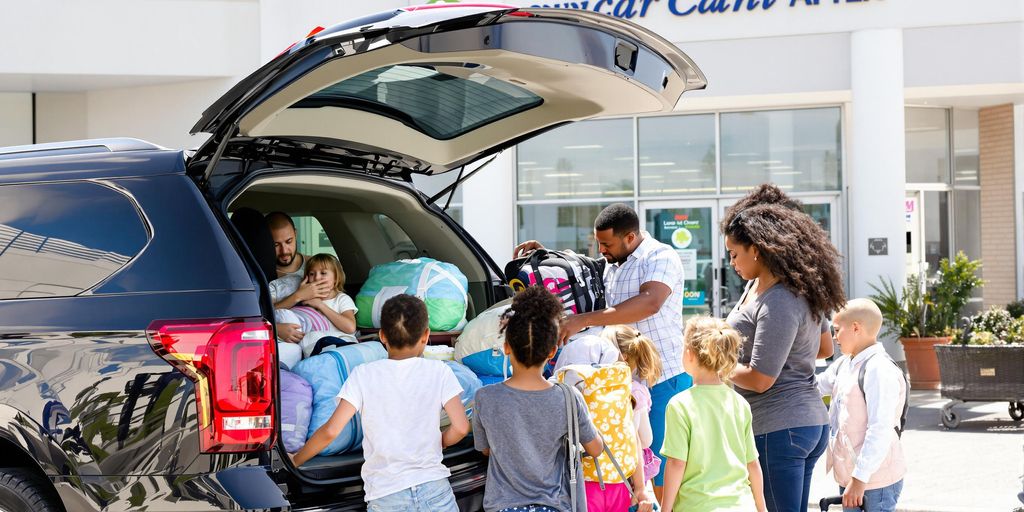
Planning a trip with a bigger group? You’re probably thinking about how to get everyone and their stuff from point A to point B without feeling squished. Renting a car for 7 passengers can be a smart move, giving you the room you need and maybe even saving you some cash in the long run. This guide will walk you through everything, from picking the right vehicle to finding good deals, so your travel plans go smoothly. We’ll help you figure out how to rent car 7 passengers without a headache.
Key Takeaways
- Figure out how many people and how much luggage you have before looking at cars.
- Check out minivans or full-size SUVs for the best space when you rent car 7 passengers.
- Always compare prices from different rental companies to get the best deal.
- Book your rental car early, especially if you need a bigger vehicle.
- Understand what your own car insurance covers before buying extra from the rental place.
- Watch out for extra fees like charges for young drivers or additional drivers.
- Have all your papers ready: driver’s license, credit card, and proof of insurance.
- When you pick up the car, check it over carefully for any existing scratches or dents.
Understanding Your Needs For A 7 Passenger Rental
Before you jump into booking a massive vehicle, let’s take a sec to figure out exactly what you need. It’s not just about cramming seven people into something with wheels; it’s about comfort, safety, and not losing your sanity on the road. I mean, who wants to start their vacation stressed out?
Assessing Passenger Count And Luggage Space
Okay, obvious one first: how many people are actually going? And how much stuff are they bringing? Don’t underestimate luggage! A carry-on and a small backpack per person can quickly fill up a trunk. Think about strollers, sports equipment, or anything else bulky. It’s better to overestimate space than to play Tetris with suitcases for the entire trip.
Considering Trip Duration And Distance
Are you just driving across town, or are you embarking on a cross-country adventure? A short trip might be fine with a slightly cramped vehicle, but for longer journeys, comfort is key. Think about legroom, seat adjustability, and maybe even entertainment options to keep everyone happy (especially the kids!).
Evaluating Comfort And Amenities Required
Speaking of comfort, what amenities are non-negotiable? Air conditioning is a must, obviously, but what about things like USB charging ports, individual climate controls, or a decent sound system? If you’re traveling with kids, a built-in DVD player might be a lifesaver. Think about what will make the trip enjoyable for everyone.
Determining Specific Vehicle Features
Beyond the basics, are there any specific features you need? Maybe you want a vehicle with all-wheel drive for snowy conditions, or perhaps you need a low floor for easier access for elderly passengers. Consider things like parking sensors, blind-spot monitoring, and other safety features that can make driving a larger vehicle easier.
Planning For Diverse Travel Scenarios
What kind of driving will you be doing? Mostly highway miles, or a mix of city and rural roads? Will you be encountering any challenging terrain, like steep hills or unpaved roads? A minivan might be great for highway cruising, but an SUV might be better suited for rougher conditions. Think about the entire trip, not just the destination.
Matching Vehicle Size To Your Group
This isn’t just about fitting everyone in; it’s about comfort and safety. A minivan is often the go-to for 7 passengers, but a large SUV might work if you pack light. Consider the age and size of your passengers, too. Seven adults might feel cramped in a vehicle that would be fine for five adults and two kids.
Prioritizing Safety Features For Families
Safety should always be a top priority, especially when traveling with family. Look for vehicles with good crash test ratings and features like:
- Multiple airbags
- Anti-lock brakes
- Electronic stability control
- Child safety locks
Also, make sure there are enough seatbelts for everyone, and that they’re in good working order.
Before you even start browsing rental companies, take some time to really think about your needs. It’ll save you time, money, and a whole lot of headaches in the long run. Trust me, a little planning goes a long way when you’re dealing with a big group and a big vehicle.
Choosing The Right Vehicle Type For 7 Passengers
Okay, so you need a car for seven people. That’s a lot of folks! The good news is you have options. The bad news is, well, you have to choose between them. Let’s break down the main contenders to help you figure out what’s best for your trip.
Exploring Minivan Advantages For Space
Minivans are pretty much the gold standard when it comes to hauling people and stuff. Their biggest advantage is the sheer amount of space they offer. You’re not just getting seven seats; you’re getting legroom, headroom, and usually a decent amount of cargo space behind the third row. Plus, those sliding doors? A lifesaver in parking lots. Seriously, try wrangling kids out of a regular door in a tight spot – you’ll quickly appreciate the minivan magic.
- Ample legroom and headroom for all passengers.
- Sliding doors for easy access, especially in tight parking spaces.
- Often include entertainment systems to keep passengers occupied.
Considering Full-Size SUVs For Versatility
Full-size SUVs are the minivans’ cooler, more rugged cousins. They offer seating for seven or eight, but with a more traditional SUV look and feel. They often have more powerful engines than minivans, which can be helpful if you’re planning on doing any towing or driving in hilly areas. The downside? Cargo space can be limited when all the seats are in use.
Comparing Passenger Vans For Large Groups
Passenger vans are the heavy hitters. Think of them as small buses. They can seat up to 12 or 15 people, making them ideal for really large groups. However, they’re not the most practical choice for smaller groups of seven, as they can be difficult to maneuver and park. Plus, fuel economy is usually pretty terrible.
Understanding Seating Configurations
Seating configurations matter! Some vehicles have a 2-3-2 setup (two seats in the front, three in the middle, two in the back), while others might have a 2-2-3 configuration (two seats in the front, two captain’s chairs in the middle, three in the back). Consider who’s going to be sitting where and how easily you need to access the third row. Captain’s chairs can make it easier to get to the back, but they reduce overall seating capacity slightly.
Assessing Fuel Efficiency For Long Trips
Gas prices are no joke, especially when you’re driving a big vehicle. Before you book, take a look at the estimated fuel economy for each vehicle type. Minivans generally get better gas mileage than full-size SUVs or passenger vans, but it can vary depending on the specific model and engine. If you’re planning a long road trip, fuel costs can add up quickly, so it’s worth doing your homework.
Reviewing Cargo Capacity Options
Think about how much luggage you’re going to be hauling. Seven people usually means a lot of bags. Some vehicles have more cargo space than others, especially when all the seats are in use. If you’re planning on bringing a lot of gear, you might need to consider a roof rack or cargo carrier to supplement the available space.
Identifying Best Models For Comfort
Comfort is key, especially on long trips. Look for vehicles with features like comfortable seats, good climate control, and entertainment systems. Some models also offer features like power outlets and USB ports, which can be a lifesaver for keeping everyone’s devices charged. Read reviews and see what other people have to say about the comfort of different models.
Choosing the right vehicle isn’t just about fitting everyone in; it’s about making the trip enjoyable for everyone. Think about your specific needs and priorities, and don’t be afraid to ask questions when you’re booking your rental. A little bit of planning can go a long way toward ensuring a smooth and comfortable ride.
Finding The Best Rental Companies For 7 Passenger Vehicles
Okay, so you need a car that fits everyone. Finding the right rental company is key. Not all agencies are created equal when it comes to larger vehicles. Some have better selections, better prices, or just plain better service. Let’s break down how to find the best one for your 7-passenger needs.
Researching Reputable Rental Agencies
Start with the big names – Enterprise, Hertz, Avis, Budget, National, Alamo, and Thrifty. But don’t stop there! Look into smaller, regional rental companies too. Sometimes they have hidden gems or better deals, especially if you’re not renting from a major airport. Check their websites, read articles (like this one!), and see what kind of 7-passenger vehicles they actually have in their fleet. A good start is to make a list of companies that operate in the area you’re traveling to.
Comparing Fleet Availability For Larger Cars
This is where the rubber meets the road. Does the rental company actually have the kind of vehicle you need? Don’t assume they do. Many agencies might list minivans or SUVs on their website, but their actual availability can be limited. Call them directly or use their online booking system to check real-time availability for your dates and location. Pay attention to the specific make and model offered. A "minivan" at one company might be a Dodge Grand Caravan, while another might offer a Chrysler Pacifica. These can have different features and cargo space.
Checking Customer Reviews And Ratings
Online reviews are your friend. Sites like Yelp, Google Reviews, and TripAdvisor can give you a sense of what other customers have experienced with a particular rental company. Pay attention to reviews that specifically mention larger vehicles, family travel, or customer service issues. Look for patterns – are there recurring complaints about cleanliness, hidden fees, or difficulty getting in touch with customer support? Take everything with a grain of salt, but consistent negative feedback is a red flag.
Looking For Specialized Family Vehicle Providers
Some rental companies specialize in larger vehicles or cater specifically to families. These providers might offer additional amenities like car seats, entertainment systems, or roadside assistance packages tailored to family travel. They might also have more experience dealing with the unique needs of families traveling with children. Do a little digging to see if there are any such companies in your area.
Evaluating Loyalty Programs And Discounts
If you rent cars frequently, it’s worth considering a rental company’s loyalty program. These programs often offer perks like free upgrades, faster check-in, and discounts on rentals. Even if you don’t rent cars often, check to see if you’re eligible for any discounts through your employer, credit card, or other organizations. Many rental companies offer discounts to AAA members, military personnel, and government employees.
Assessing Customer Service Quality
Good customer service can make or break your rental experience. Before you book, try contacting the rental company’s customer service department with a question or concern. How quickly do they respond? Are they helpful and knowledgeable? Do they seem genuinely interested in assisting you? A positive interaction can be a good sign that you’ll have a smooth rental experience.
Verifying Easy Booking Processes
The booking process should be straightforward and transparent. Can you easily find the vehicle you need on the company’s website or app? Are the prices clearly displayed, including all taxes and fees? Can you easily modify or cancel your reservation if needed? A clunky or confusing booking process can be a sign of other potential problems down the road.
Choosing the right rental company is more than just finding the cheapest price. It’s about finding a company that you can trust to provide a reliable vehicle, excellent customer service, and a hassle-free rental experience. Take the time to do your research, read reviews, and compare your options before you book. It’ll be worth it in the long run.
Here’s a quick comparison table to get you started:
| Rental Company | Fleet Size (Large Vehicles) | Customer Service Rating | Loyalty Program |
|---|---|---|---|
| Enterprise | High | Good | Yes |
| Hertz | Medium | Average | Yes |
| Avis | Medium | Good | Yes |
| Budget | Low | Average | No |
| National | High | Excellent | Yes |
| Alamo | Medium | Average | No |
| Thrifty | Low | Poor | No |
Strategies For Securing The Best Rental Rates
Renting a 7-passenger vehicle doesn’t have to break the bank. With a bit of planning and some smart strategies, you can find deals that fit your budget. It’s all about knowing where to look and when to book.
Booking Your 7 Passenger Car In Advance
Booking early is often the best way to secure a lower rate. Rental car companies tend to increase prices as the pickup date approaches, especially for larger vehicles that are in higher demand. Try to book at least a few weeks, or even months, in advance if you’re traveling during peak season.
Avoiding Airport Rental Locations
Airport rental locations are convenient, but they often come with extra fees and taxes. Consider renting from an off-airport location. You might need to take a taxi or shuttle to get there, but the savings can be significant. Plus, these locations sometimes have better deals since they aren’t as busy.
Utilizing Loyalty Schemes And Memberships
Many rental car companies offer loyalty programs that provide discounts, upgrades, and other perks. If you rent cars frequently, it’s worth signing up for a few of these programs. Also, check if you’re eligible for discounts through other memberships, such as AAA or AARP. These can sometimes offer substantial savings.
Searching For Discount Codes And Promotions
Before you book, take some time to search for discount codes and promotions online. Websites like RetailMeNot or Offers.com often have codes for various rental car companies. You can also check the rental company’s website directly for any special deals they might be running. It only takes a few minutes and could save you a lot of money.
Comparing Prices Across Multiple Platforms
Don’t settle for the first price you see. Use comparison websites like Kayak, Expedia, or Priceline to compare prices from different rental car companies. This will give you a good overview of the market and help you identify the best deals. Be sure to check both the major rental companies and smaller, local providers.
Considering Off-Peak Travel Dates
If your travel dates are flexible, consider traveling during the off-season or shoulder season. Rental car prices tend to be lower when demand is lower. For example, you might find better deals if you travel in the spring or fall instead of during the summer or holidays.
Opting For Longer Rental Periods For Savings
Sometimes, renting a car for a longer period can actually be cheaper than renting it for a shorter period. Rental companies often offer weekly or monthly rates that are lower than the daily rate. If you need a car for more than a few days, it’s worth checking the prices for longer rental periods.
When I was planning a family trip last year, I found that renting a minivan for a week was only slightly more expensive than renting it for four days. We ended up extending our trip by a few days and saved money on the rental car in the process. It’s always worth checking the different rental durations to see what kind of deals you can find.
Navigating Rental Car Insurance Options
Rental car insurance can feel like a minefield. You’re already shelling out cash for the rental itself, and then they hit you with all these extra insurance options. It’s easy to feel pressured into buying stuff you don’t need, or worse, skipping something important and regretting it later. Let’s break down the common types and how to figure out what’s right for you.
Understanding Collision Damage Waiver
The Collision Damage Waiver (CDW) is probably the most talked-about option. Basically, it covers damage to the rental car itself if you get into an accident or if it’s stolen. It’s not actually insurance, but it acts like it. The big question is whether you need it. If you have good car insurance already, it might cover rentals. Check your policy! Also, some credit cards offer CDW as a perk if you use them to pay for the rental. If you decline the CDW and something happens to the car, you’re on the hook for the damages, which can be a huge headache.
Evaluating Liability Coverage Needs
Liability coverage protects you if you cause damage or injury to someone else while driving the rental car. Most rental agreements include some minimum level of liability coverage, but it might not be enough. Think about it: if you cause a serious accident, those costs can skyrocket. Consider increasing your liability coverage to protect your assets. Your personal auto insurance policy might extend to rentals, so check that first. If not, it’s often worth paying a bit extra for peace of mind.
Considering Personal Accident Insurance
Personal Accident Insurance (PAI) covers medical expenses for you and your passengers if you’re injured in an accident while in the rental car. It can also include accidental death benefits. If you have good health insurance, you might not need this. However, if your health insurance has high deductibles or limited coverage, PAI could be a good idea, especially if you’re traveling with family.
Checking Existing Auto Insurance Policies
Before you agree to any extra insurance at the rental counter, take a good look at your own auto insurance policy. Many policies extend coverage to rental cars, at least for collision and liability. Call your insurance company and ask them specifically about rental car coverage. Get it in writing if possible. Knowing what you’re already covered for can save you a lot of money.
Reviewing Credit Card Rental Benefits
Lots of credit cards offer rental car insurance as a perk, but the details matter. Some cards offer primary coverage, which means they pay out before your personal insurance. Others offer secondary coverage, which only kicks in after your insurance pays. There might also be restrictions on the types of vehicles covered or the length of the rental. Read the fine print carefully to understand what your credit card actually covers.
Deciding On Supplemental Coverage
Rental companies often push supplemental coverage, like roadside assistance or tire protection. These can be useful, but they also add to the cost. Think about your driving habits and the type of trip you’re taking. If you’re driving in a remote area, roadside assistance might be worth it. If you’re just driving around town, you might not need it. Consider the cost versus the potential benefit.
Avoiding Unnecessary Insurance Add-Ons
It’s easy to get talked into buying insurance you don’t need. Rental car agents are salespeople, and they often earn commission on insurance sales. Don’t feel pressured to buy anything you’re not comfortable with. Do your research ahead of time, know what your existing insurance covers, and stick to your guns. A little preparation can save you a lot of money.
Insurance can be confusing, but it’s important to understand your options. Take the time to review your existing coverage and decide what you really need before you get to the rental counter. It’s better to be informed than to be caught off guard in case something happens.
Understanding Additional Fees And Charges
It’s easy to get excited about the base rental rate for your 7-passenger vehicle, but don’t forget to factor in those extra costs! They can really add up and bust your budget if you’re not careful. Let’s break down some common fees and charges you might encounter.
Identifying One-Way Rental Fees
Planning to pick up your rental in one city and drop it off in another? That’s a one-way rental, and it almost always comes with a fee. These fees can vary widely depending on the distance between the locations and the rental company’s policies. Sometimes, they’re reasonable, but other times, they can be surprisingly high. Always check the fine print before confirming your booking.
Recognizing Young Driver Surcharges
If you’re under 25, be prepared for a young driver surcharge. Rental companies often charge extra because they statistically see younger drivers as higher risk. This fee can be a daily rate and can significantly increase the overall cost of your rental. Some companies might even have age restrictions, so it’s important to check beforehand.
Anticipating Additional Driver Costs
Want to share the driving duties on your road trip? Great idea! But make sure any additional drivers are listed on the rental agreement. Otherwise, they won’t be covered by insurance if something happens. Rental companies usually charge a daily fee for each additional driver. It’s better to pay the fee than risk driving uninsured.
Factoring In GPS And Child Seat Rentals
Need a GPS or child seats? These are convenient add-ons, but they come at a cost. GPS rentals can range from $10 to $15 per day, while child seats might be around $5 to $10 per day. If you have your own GPS or child seats, bringing them along can save you money. Just make sure your child seat meets safety standards.
Understanding Fuel Policy Options
Rental companies typically offer a few fuel policy options. The most common are:
- Full-to-Full: You pick up the car with a full tank and return it full. This is usually the best option, as you only pay for the fuel you use.
- Prepaid Fuel: You pay for a full tank upfront and return the car empty. This can seem convenient, but you might end up paying for fuel you don’t use.
- Full-to-Empty: You pick up the car full and return it empty, with the rental company refilling it and charging you. This is often the most expensive option.
Choosing the right fuel policy can save you a lot of money. Always compare the options and choose the one that best fits your driving plans.
Being Aware Of Roadside Assistance Fees
Roadside assistance can be a lifesaver if you have a flat tire or a breakdown. Some rental agreements include basic roadside assistance, while others charge extra for it. Consider whether you need this coverage based on your route and the age of the vehicle. If you have roadside assistance through your auto insurance or a credit card, you might not need to pay extra.
Clarifying Cleaning Or Damage Charges
Before returning your rental, give it a quick clean. Rental companies can charge extra for excessive dirt or stains. Also, carefully inspect the car for any new damage before returning it. If you find anything, document it with photos and notify the rental company. This can help you avoid being charged for damage you didn’t cause.
Essential Documents And Requirements For Renting
Valid Driver’s License Requirements
To rent a car, you absolutely need a valid driver’s license. It needs to be current, not expired, and typically issued from your state or country of residence. Rental companies usually check the license to make sure it’s authentic and that you’re allowed to drive the type of vehicle you’re renting. Some places might also want to see your driving record, especially if you have a history of accidents or violations. Make sure the name on your license matches the name on your reservation and credit card.
Age Restrictions For Renters
Most rental companies have age restrictions. Usually, you need to be at least 25 years old to rent without extra fees. Some companies will rent to drivers between 21 and 24, but they often charge a "young driver" surcharge. This fee can add a significant amount to your rental cost, so it’s good to know about it beforehand. Also, younger renters might have restrictions on the types of vehicles they can rent; for example, they might not be able to rent luxury cars or large SUVs.
Credit Card For Deposit And Payment
You’ll need a credit card to rent a car. Rental companies use the credit card for a deposit, which covers any potential damage to the vehicle or extra charges you might incur. The deposit amount can vary depending on the rental company and the type of car you’re renting. Make sure you have enough available credit on your card to cover the deposit. Some companies might accept debit cards, but they often have stricter requirements, like a credit check or proof of insurance. The name on the credit card usually needs to match the name on the driver’s license.
Proof Of Insurance Documentation
It’s a good idea to have proof of insurance when you rent a car. This could be your personal auto insurance policy or coverage through your credit card. Rental companies will usually offer their own insurance options, but these can be expensive. If you’re already covered, you can decline the extra insurance. However, it’s important to understand what your existing policy covers and what it doesn’t. For example, some policies might not cover rentals in certain countries or specific types of vehicles.
International Driving Permit Needs
If you’re renting a car in a country where your driver’s license isn’t in the local language, you might need an International Driving Permit (IDP). An IDP is basically a translation of your driver’s license that’s recognized in many countries. It’s not a replacement for your actual driver’s license, but it’s used in conjunction with it. You can usually get an IDP from your local automobile association. Check the requirements of the country you’re visiting to see if an IDP is necessary.
Secondary Identification Verification
Sometimes, rental companies might ask for a second form of identification, especially if you’re paying with a debit card or if you’re a foreign visitor. This could be a passport, a utility bill, or another form of government-issued ID. The purpose is to verify your identity and make sure you are who you say you are. It’s always a good idea to have a couple of forms of ID with you when you pick up your rental car, just in case.
Understanding Rental Agreement Terms
Before you drive off with your rental car, take the time to read and understand the rental agreement. This document outlines the terms and conditions of your rental, including the rental period, mileage restrictions, insurance coverage, and fees. Pay attention to the fine print, especially regarding late return penalties, damage charges, and fuel policies. If you have any questions, ask the rental agent to explain them before you sign the agreement. Once you sign, you’re bound by those terms, so it’s important to know what you’re agreeing to.
It’s easy to overlook the details when you’re excited about a trip, but taking a few extra minutes to prepare the right documents and understand the rental agreement can save you a lot of headaches later on. Being prepared helps ensure a smooth and stress-free rental experience.
Picking Up Your 7 Passenger Rental Car
So, you’ve booked your massive 7-passenger vehicle. Awesome! Now comes the fun part: actually getting behind the wheel. Don’t rush it, though. This is where you make sure everything is as it should be before you’re stuck with any surprises.
Inspecting The Vehicle Thoroughly
Before you even think about putting your bags in, give that rental a good once-over. Walk around the whole thing, looking for any scratches, dents, or anything else that seems off. It’s way better to catch something now than to get blamed for it later. Check the tires, too. Make sure they look inflated and in decent shape. I once picked up a rental with a tire that was practically bald – not a fun discovery on the highway.
Documenting Existing Damages
Okay, so you found a scratch. Now what? Document it! Use your phone to take pictures or videos of any damage you find. Make sure the date and time are visible in the photos. Then, point it out to the rental agent and have them note it on your rental agreement. Don’t just assume they’ll see it themselves. Cover your bases. Trust me, it’s worth the extra five minutes.
Understanding Fuel Level Policy
Rental companies have different fuel policies, and you need to know which one you’re dealing with. Is it "full-to-full" (you return it with a full tank)? Or is it "same as pick-up" (you return it with the same amount of gas it had when you got it)? Some companies will try to sell you a prepaid fuel option, but those are almost never a good deal. You’re usually better off just filling it up yourself before you return it.
Testing All Vehicle Features
Before you leave the lot, take a minute to test everything inside the car. Turn on the headlights, windshield wipers, air conditioning, and radio. Make sure all the seatbelts work, especially in the back. If you’re planning to use the navigation system, try programming an address to make sure it’s working correctly. It’s much easier to sort out any issues now than when you’re already on the road.
Confirming Rental Agreement Details
Double-check that all the information on your rental agreement is correct. Make sure your name is spelled right, the rental dates are accurate, and any extras you requested (like a child seat or GPS) are listed. Also, confirm the return location. You don’t want to accidentally return the car to the wrong place and get charged extra.
Asking Questions Before Driving Off
Don’t be afraid to ask questions! If you’re not sure how something works, or if you have any concerns about the car, now is the time to speak up. Ask about the car’s features, the rental company’s policies, or anything else that’s on your mind. It’s better to be informed than to be stuck with a problem later.
Locating Emergency Equipment
Hopefully, you won’t need it, but it’s always good to know where the emergency equipment is located. Ask the rental agent where the spare tire, jack, and jumper cables are. Also, find out if the car has a first-aid kit. Knowing this stuff can save you a lot of hassle if something goes wrong on the road.
Taking a few extra minutes at pick-up can save you a lot of headaches down the road. It’s all about being prepared and knowing what to expect. A little bit of diligence can make your rental experience much smoother and stress-free.
Returning Your 7 Passenger Rental Car Smoothly
Adhering To Return Time And Location
Getting your rental back on time is super important. Late returns often mean extra charges, and nobody wants that. Make sure you know exactly where you’re supposed to drop off the car – some rental places have different lots or even different addresses for returns. Set a reminder on your phone so you don’t forget!
Refueling According To Policy
Rental companies have different fuel policies, so check yours before you return the car. Some want you to bring it back full, others don’t care as long as you pay for what you used. If you need to refuel, keep the receipt. It’s proof you filled it up if there are any questions later.
Cleaning The Interior Appropriately
Okay, you don’t need to detail the car, but give it a quick clean before you return it. Remove all your trash, wipe up any spills, and try to get rid of any major messes. Rental companies can charge you a cleaning fee if the car is excessively dirty.
Checking For Personal Belongings
Before you hand over the keys, do a thorough check for your stuff. Look under the seats, in the glove compartment, in the door pockets, and in the trunk. It’s easy to leave things behind, especially on a long trip. I once left my sunglasses in a rental car and never saw them again!
Obtaining A Final Receipt
Always, always get a final receipt when you return the car. This receipt should show the final charges, including any taxes or fees. Review it carefully to make sure everything looks right. If you see something you don’t understand, ask the rental agent to explain it.
Documenting Vehicle Condition At Return
Walk around the car with the rental agent and note any new scratches or dents. This protects you from being charged for damage you didn’t cause. If the agent doesn’t want to do a walk-around, insist on it. Take pictures or videos of the car’s condition as extra proof.
Understanding Late Return Penalties
Late return penalties can be steep, so it’s good to know what you’re up against. Some companies have a grace period (like 30 minutes), but others charge you for an extra day even if you’re just a few minutes late. Check the rental agreement for the specific policy.
Maximizing Comfort And Convenience For Your Group
Planning Seating Arrangements
Getting the seating right can make or break a long trip. Think about who needs easy access to exits, who gets carsick, and who needs to be near a window. If you have little kids, make sure their car seats are properly installed and accessible. Consider putting the most responsible adult near the kids to help with snacks and entertainment. Rotating seating on longer trips can also help prevent anyone from feeling stuck or cramped.
Utilizing Entertainment Systems
Most modern 7-passenger vehicles come with some kind of entertainment system, whether it’s a DVD player, USB ports for charging devices, or Bluetooth connectivity. Before you hit the road, figure out how to use these systems. Download movies or shows ahead of time, create playlists, and bring extra charging cables. Don’t forget headphones, especially if you have passengers with different tastes in music or movies. A little planning here can prevent a lot of "Are we there yet?" moments.
Packing Smart To Maximize Space
Space is always at a premium in a full car. Pack efficiently by using soft-sided luggage instead of hard suitcases. Roll your clothes instead of folding them to save space. Use packing cubes to organize your belongings and compress them. Consider a roof rack or cargo carrier if you have a lot of gear. And don’t forget to leave some room for souvenirs!
Scheduling Regular Breaks
Long drives can be tiring for everyone, so plan to take regular breaks. Stop every couple of hours to stretch your legs, use the restroom, and grab a snack. Look for rest areas or parks where kids can run around and burn off some energy. A short break can make a big difference in keeping everyone happy and alert.
Ensuring Climate Control Comfort
Keeping everyone comfortable temperature-wise is key. Make sure the climate control system is working properly before you leave. Adjust the vents so that everyone gets adequate airflow. If some passengers tend to get cold while others get hot, consider bringing extra blankets or layers of clothing. A portable fan can also be helpful for those who need extra cooling.
Bringing Snacks And Drinks
Snacks and drinks are essential for any road trip. Pack a variety of healthy snacks like fruits, vegetables, nuts, and granola bars. Avoid sugary snacks that can lead to energy crashes. Bring plenty of water to stay hydrated. A cooler can be helpful for keeping drinks cold. And don’t forget to pack some wipes or paper towels for easy cleanup.
Preparing For Long Drives
Long drives require some extra preparation. Make sure your car is in good working order before you leave. Check the tires, fluids, and brakes. Plan your route in advance and be aware of any potential traffic delays. Bring a map or GPS device in case you lose cell service. And most importantly, get plenty of rest before you start your journey.
I always try to make a list of things to do before a long trip. It helps me stay organized and not forget anything important. I also like to involve everyone in the planning process so that everyone feels like they’re part of the adventure.
Tips For Driving A Larger Vehicle
Adjusting To Vehicle Dimensions
Driving a bigger vehicle is different, no doubt about it. The most important thing is to get used to the size. Spend a little time in an empty parking lot practicing. Get a feel for how wide and long the vehicle is. It’s not like your regular car, so don’t assume you know where the edges are. This is especially important when you’re switching from a sedan to a minivan or SUV. You’ll be surprised how much bigger it feels.
Practicing Parking Maneuvers
Parking can be a real challenge with a larger vehicle. Forget about squeezing into those tiny spots you used to take. Look for bigger spaces, and don’t be afraid to park further away. Practice backing up and pulling into spots. Use your mirrors and backup camera. It might take a few tries, but you’ll get the hang of it. Parallel parking? Maybe avoid it if you can!
Understanding Blind Spots
Larger vehicles have bigger blind spots. It’s just a fact. Adjust your mirrors properly, and don’t rely on them alone. Always check over your shoulder before changing lanes. Consider getting blind spot monitoring if the vehicle has it. It can really help. Be extra careful around motorcycles and smaller cars. They can easily disappear in your blind spot.
Allowing For Wider Turns
Turns are different in a larger vehicle. You need to swing wider to avoid hitting curbs or other cars. Pay attention to the turning radius. It’s not the same as your regular car. Slow down before the turn, and make sure you have enough space. Watch out for pedestrians and cyclists. They might not expect you to turn so wide.
Maintaining Safe Following Distances
Stopping distances are longer in a larger vehicle. Give yourself plenty of space between you and the car in front of you. The general rule is one car length for every 10 mph, but with a bigger vehicle, add some extra space. This is especially important in bad weather. You don’t want to rear-end someone because you couldn’t stop in time.
Being Mindful Of Vehicle Height
Height is something you might not think about, but it’s important. Watch out for low bridges and overpasses. Pay attention to the signs that show the clearance height. You don’t want to get stuck or damage the vehicle. Also, be careful in parking garages. Some of them have low ceilings. It’s better to be safe than sorry.
Driving Cautiously In Traffic
Driving in traffic can be stressful, especially in a larger vehicle. Be patient and avoid aggressive driving. Don’t try to squeeze into tight spaces. Use your signals and be predictable. Remember, you’re driving a bigger vehicle, so other drivers might not expect you to move as quickly. Stay calm and focus on safety.
Driving a larger vehicle requires a different mindset. It’s not just about getting from point A to point B. It’s about being aware of your surroundings and driving defensively. Take your time, be patient, and focus on safety. With a little practice, you’ll be driving like a pro in no time.
Handling Unexpected Situations On The Road
Okay, so you’ve got your 7-passenger rental, and everyone’s excited for the trip. But let’s be real, stuff happens. Flat tires, wrong turns, even minor fender-benders can throw a wrench in your plans. Being prepared for the unexpected can make all the difference between a minor hiccup and a major disaster. Having a plan in place will help you stay calm and get back on track quickly.
Knowing Emergency Contact Numbers
First things first, program important numbers into your phone before you leave. This includes:
- The rental company’s roadside assistance number.
- Your insurance provider.
- Local emergency services (police, fire, ambulance) for the areas you’ll be driving through.
- A reliable contact person back home who can help coordinate if needed.
It’s also a good idea to write these numbers down and keep them in a readily accessible place in the car, just in case your phone dies or you’re in an area with no service.
Understanding Roadside Assistance
Familiarize yourself with the roadside assistance coverage provided by the rental company. What services are included? What are the response times typically like? Are there any limitations? Knowing this ahead of time can save you a lot of stress and money if you need help. Most rental companies offer 24/7 support, but it’s always good to confirm the details.
Dealing With Minor Accidents
If you’re involved in a minor accident, the first thing to do is ensure everyone’s safety. Move the vehicle to a safe location if possible, and exchange information with the other driver(s) involved. This includes:
- Names and contact information.
- Insurance details.
- Vehicle information (make, model, license plate number).
- Take photos of the damage to all vehicles involved.
Report the accident to the rental company as soon as possible, and follow their instructions for filing a claim.
Reporting Vehicle Breakdowns
If your rental car breaks down, pull over to a safe location and contact roadside assistance immediately. Provide them with your location and a description of the problem. Do not attempt to fix the vehicle yourself unless you are a qualified mechanic. Wait for assistance to arrive, and follow their instructions.
Managing Flat Tires
Knowing how to change a flat tire is a useful skill, even if you hope you never have to use it. Check that the rental car has a spare tire, a jack, and a lug wrench before you leave the rental lot. If you get a flat, pull over to a safe location, turn on your hazard lights, and follow the instructions in the owner’s manual for changing the tire. If you’re not comfortable changing the tire yourself, call roadside assistance.
Navigating Unfamiliar Routes
Getting lost is a common occurrence, especially in unfamiliar areas. Use a GPS navigation system or a smartphone app to help you stay on track. Download offline maps in case you lose cell service. If you do get lost, don’t panic. Pull over to a safe location and re-orient yourself. Ask for directions if needed. It’s better to be a little late than to continue driving in the wrong direction.
Staying Calm In Difficulties
The most important thing to remember in any unexpected situation is to stay calm. Panicking will only make things worse. Take a deep breath, assess the situation, and focus on finding a solution. Remember that you’re not alone, and help is available if you need it. By staying calm and prepared, you can handle almost any challenge that comes your way on the road.
Comparing Rental Car Agencies For 7 Passenger Options

Enterprise Rent-A-Car Offerings
Enterprise is a pretty common choice, and for good reason. They’re all over the place, which is convenient. They usually have a decent selection of larger vehicles, including minivans and some SUVs that can squeeze in seven people. The key with Enterprise is to book early, especially if you need a specific type of vehicle. I’ve found their prices to be pretty competitive, but it really depends on the location and time of year. They also have a rewards program, which can be nice if you rent cars often.
Hertz Vehicle Selection
Hertz is another big name in the car rental world. They tend to have a slightly more premium feel than some of the other agencies, and their fleet often includes newer models. Finding a seven-passenger vehicle with Hertz might take a little more digging, but they do have options. I’d recommend checking their website or calling ahead to confirm availability. One thing I like about Hertz is their different tiers of service; you can sometimes get extra perks if you’re a Gold Plus Rewards member.
Avis Group Travel Solutions
Avis is similar to Hertz in terms of reputation and vehicle quality. They often promote "group travel solutions," which suggests they’re geared towards larger parties. This could mean they have a better selection of minivans and SUVs for seven passengers, but it’s always best to verify. Avis also has a rewards program, and they sometimes offer discounts for AAA members or other affiliations. I’ve had mixed experiences with their customer service, but overall, they’re a reliable option.
Budget Car Rental Deals
Budget is usually a more budget-friendly option (no pun intended!). You might not get the newest or fanciest vehicles, but they can be a good choice if you’re trying to save money. Finding a seven-passenger vehicle with Budget might require some flexibility in terms of vehicle type. They might have older minivans or SUVs available, but it’s worth checking. Just be sure to read the fine print and understand any potential limitations or restrictions.
National Car Rental Benefits
National is known for its Emerald Club program, which allows members to bypass the counter and choose their own vehicle from a designated area. This can be a huge time-saver, especially if you’re in a hurry. However, finding a seven-passenger vehicle in the Emerald Club selection might be hit or miss. It’s worth checking with the rental location to see what’s available. National also tends to cater to business travelers, so their prices might be slightly higher than some of the other agencies.
Alamo Family Vehicle Choices
Alamo often targets families and vacationers, so they might have a decent selection of larger vehicles suitable for seven passengers. Their prices are generally competitive, and they sometimes offer discounts for families or groups. I’d recommend checking their website or calling ahead to confirm availability and compare prices with other agencies. Alamo is often located near airports and tourist destinations, which can be convenient.
Thrifty Car Rental Options
Thrifty is another budget-oriented car rental company. Like Budget, you might not get the newest or most luxurious vehicles, but they can be a good option if you’re trying to save money. Finding a seven-passenger vehicle with Thrifty might require some flexibility and advance planning. Be sure to compare prices and read the fine print carefully before booking. Thrifty is often located near airports, but their selection of larger vehicles might be limited.
When choosing a rental car agency for a seven-passenger vehicle, it’s important to consider your specific needs and priorities. Do you need the newest model with all the bells and whistles, or are you simply looking for the most affordable option? Are you a member of any loyalty programs that could offer discounts or perks? By carefully comparing the offerings of different agencies, you can find the perfect vehicle for your trip.
Leveraging Online Tools For 7 Passenger Car Rentals
Using Comparison Websites Effectively
Finding the perfect 7-passenger rental can feel like a chore, but comparison websites are here to help. These sites pull data from multiple rental agencies, showing you prices and vehicle options side-by-side. It’s a great way to quickly see who has the best deal for the type of vehicle you need. Just be sure to double-check the details on the rental company’s actual website before booking, as sometimes the info on comparison sites isn’t 100% up-to-date.
Setting Up Price Alerts
If your travel dates are flexible, setting up price alerts can save you a bundle. Most major rental sites let you track prices for specific vehicles and locations. You’ll get an email when the price drops, so you can snag a deal. This is especially useful if you’re booking well in advance.
Reading Online Reviews And Forums
Before you commit to a rental company, take some time to read what other customers have to say. Online reviews can give you a sense of the company’s customer service, the condition of their vehicles, and whether they’re likely to hit you with hidden fees. Forums can also be helpful for getting specific advice from other travelers who have rented 7-passenger vehicles in your destination.
Utilizing Mobile Rental Apps
Many rental companies have their own mobile apps, which can make the booking and pick-up process much easier. You can often use the app to check in, choose your vehicle, and even unlock the car with your phone. Plus, some apps offer exclusive discounts or rewards for app users.
Booking Directly On Company Websites
While comparison sites are useful for initial research, booking directly on the rental company’s website can sometimes get you a better deal. Rental companies may offer discounts for booking direct, and you’re more likely to have access to the full range of vehicle options. Plus, if you have any issues with your reservation, it’s usually easier to deal with the rental company directly.
Exploring Package Deals
Consider bundling your car rental with your flights or hotel. Travel websites often offer package deals that can save you money compared to booking each component separately. This can be a good option if you’re looking for an all-in-one solution for your trip.
Understanding Digital Rental Agreements
Before you finalize your rental, take the time to carefully read the digital rental agreement. Pay attention to the fine print, including the mileage policy, insurance coverage, and any potential fees. If you have any questions, don’t hesitate to contact the rental company for clarification. It’s better to be informed upfront than to be surprised by unexpected charges later on.
It’s easy to get overwhelmed by the sheer number of options when renting a car online. Take your time, do your research, and don’t be afraid to shop around. A little bit of effort can save you a lot of money and ensure a smoother rental experience.
Seasonal Considerations For 7 Passenger Rentals
Renting a 7-passenger vehicle can be a lifesaver for group travel, but timing is everything. Prices and availability can swing wildly depending on the season. Let’s break down how to plan your rental around the calendar.
Booking During Peak Travel Seasons
Securing your 7-passenger rental well in advance is crucial during peak seasons. Think summer vacations, major holidays (Thanksgiving, Christmas), and spring break. Rental companies know demand is high, so prices often skyrocket. Waiting until the last minute can mean limited choices or paying significantly more. I once tried to book a minivan for a family trip to Disney World just a month out – disaster! Ended up paying almost double what I would have if I’d booked earlier.
Finding Deals In Off-Peak Times
Traveling during the off-season can save you a bundle. Consider booking your 7-passenger vehicle during the shoulder seasons (spring or fall) or even in the winter (excluding holidays). Demand is lower, so rental companies are more likely to offer discounts and promotions to fill their fleets. Plus, you’ll probably encounter fewer crowds at your destination, which is always a bonus.
Considering Weather-Appropriate Vehicles
Weather plays a big role in vehicle choice. If you’re heading to a snowy destination, an SUV with all-wheel drive might be a better bet than a standard minivan. Conversely, if you’re planning a summer road trip through the desert, make sure your rental has a powerful AC system. Don’t just think about space; think about safety and comfort in the elements.
Anticipating Holiday Surcharges
Be prepared for holiday surcharges. Rental companies often tack on extra fees during major holidays due to increased demand. These surcharges can significantly inflate the overall cost of your rental. If your travel dates are flexible, consider shifting your trip a few days before or after the holiday to avoid these extra charges.
Planning For School Vacation Periods
School vacation periods (summer break, winter break, spring break) are prime travel times for families. This means increased demand for larger vehicles like 7-passenger vans and SUVs. Book well in advance to secure your rental and avoid last-minute price hikes. Also, be prepared for potentially longer wait times at rental counters.
Understanding Regional Demand Fluctuations
Demand for 7-passenger rentals can vary significantly depending on the region. For example, you might find higher demand in tourist hotspots or areas with popular family attractions. Research the specific region you’re traveling to and factor in any local events or festivals that might drive up rental prices.
Booking Early For Popular Events
If you’re traveling to a destination for a major event (like a music festival, sporting event, or convention), book your 7-passenger rental as early as possible. These events often draw large crowds, which can strain the local rental car supply and drive up prices. The earlier you book, the better your chances of securing the vehicle you need at a reasonable rate.
I always check multiple rental agencies and comparison websites to get a sense of the average price for a 7-passenger vehicle during my travel dates. This helps me determine whether a particular deal is actually a good value or just a marketing gimmick. Don’t be afraid to shop around and compare prices before making a final decision.
Here’s a quick look at how prices might change:
| Season | Demand Level | Price Trend |
|---|---|---|
| Summer | High | Higher |
| Fall | Moderate | Moderate |
| Winter (excl. holidays) | Low | Lower |
| Spring | Moderate | Moderate |
| Holidays | Very High | Significantly Higher |
Here are some things to keep in mind:
- Book in advance for peak seasons.
- Consider off-peak travel for better deals.
- Factor in weather conditions.
- Be aware of holiday surcharges.
Long-Term Rental Benefits For 7 Passengers
Planning a long trip with a big group? Renting a 7-passenger vehicle for an extended period might be the smartest move you make. Let’s break down why.
Exploring Weekly And Monthly Rates
Daily rates can really add up. Switching to a weekly or monthly rental plan often unlocks significantly lower prices. It’s like buying in bulk – the longer you commit, the more you save per day. Always compare the costs of different rental durations to find the sweet spot for your trip.
Potential Cost Savings For Extended Trips
Think about it: a 10-day trip at $100/day is $1000. But a weekly rate of $500 might cover 7 of those days, and then you just pay the daily rate for the remaining 3. Suddenly, you’re saving money! Here’s a quick example:
| Rental Period | Daily Rate | Total Cost |
|---|---|---|
| 5 Days | $120 | $600 |
| Weekly | $650 | $650 |
| Monthly | $1800 | $1800 |
Increased Flexibility With Longer Rentals
With a long-term rental, you’re not rushing to return the car. Need to change your itinerary? Want to stay an extra day at that amazing campsite? No problem! You’ve got the freedom to adjust your plans without worrying about extra fees or availability.
Reduced Daily Rates For Long Periods
The longer you rent, the lower the daily rate typically becomes. Rental companies want your business, and they’re willing to offer discounts to secure it. It’s all about negotiation and finding the best deal for your specific needs.
Considering Corporate Rental Programs
If you’re traveling for work, check if your company has a corporate rental program. These programs often come with pre-negotiated rates and benefits, which can save you a bundle on long-term rentals. Even if it’s a personal trip, it’s worth asking!
Negotiating Special Long-Term Deals
Don’t be afraid to haggle! Talk to the rental company and see if they’re willing to offer a better rate for your extended rental. Mention any loyalty programs you’re a part of or any competitor’s offers you’ve found. The worst they can say is no.
Understanding Maintenance Responsibilities
With a long-term rental, you’ll likely be responsible for basic maintenance like checking fluid levels and tire pressure. Make sure you understand the rental agreement’s terms regarding maintenance and repairs. Knowing who’s responsible for what can prevent headaches down the road.
Special Considerations For International Travel
Planning an international trip with a group and need a 7-passenger rental? It’s not quite the same as renting at home. There are a few extra things to keep in mind to make sure everything goes smoothly. I learned this the hard way on a family trip to Europe last year – let’s just say the phrase "international driving permit" became very important, very quickly.
Understanding Local Driving Laws
Driving laws vary a lot from country to country. What’s perfectly legal in the US might get you a hefty fine, or worse, somewhere else. Before you even think about getting behind the wheel, do some research on the specific rules of the road in the country you’re visiting. Things like speed limits (often in kilometers, not miles!), right-of-way rules, and laws about using mobile phones while driving can be very different. Ignorance isn’t an excuse, and a traffic ticket in a foreign country is a major headache.
Navigating Different Road Signs
Road signs aren’t universal. While some are similar to what you’re used to, others can be completely foreign. Take some time to familiarize yourself with common road signs in the country you’ll be driving in. This is especially important in countries where the primary language isn’t one you speak. A little preparation can prevent a lot of confusion and potential accidents.
Ensuring Proper Insurance Coverage Abroad
Your domestic car insurance probably won’t cut it when you’re driving in another country. You’ll need to make sure you have adequate insurance coverage that’s valid in your destination. This might mean purchasing additional coverage from the rental company or getting a separate international car insurance policy. Don’t skimp on this – accidents happen, and you don’t want to be stuck with a huge bill in a foreign country.
Dealing With Currency Exchange Rates
Renting a car internationally often means dealing with different currencies. Keep an eye on exchange rates, as they can fluctuate and affect the final cost of your rental. It’s also a good idea to use a credit card that doesn’t charge foreign transaction fees. Those fees can really add up, especially if you’re paying for things like tolls or gas along the way.
Confirming International Driving Permits
An International Driving Permit (IDP) is basically a translation of your driver’s license. Some countries require you to have one in addition to your regular license. Check the requirements for the country you’re visiting well in advance of your trip. You can usually get an IDP from your local automobile association. Don’t wait until the last minute – it can take a few days to process the application.
Researching Toll Road Systems
Toll roads are common in many countries, but the way you pay for them can vary widely. Some use electronic toll collection systems, while others require you to pay cash at toll booths. Find out how toll roads work in your destination and make sure you have a way to pay for them. Some rental companies offer toll transponders for a fee, which can be a convenient option.
Preparing For Border Crossings
If you’re planning to drive across borders between countries, there are a few extra things to consider. First, make sure your rental agreement allows you to take the car into other countries. Some rental companies have restrictions on where you can drive their vehicles. You’ll also need to have all the necessary documentation, including your passport, driver’s license, and rental agreement. Be prepared for potential delays at border crossings, as customs officials may want to inspect your vehicle and documents.
Renting a car for international travel can seem daunting, but with a little preparation, it can be a smooth and rewarding experience. Just remember to do your research, understand the local laws and customs, and make sure you have all the necessary documentation. A little planning can go a long way in making your trip a success.
Making The Most Of Your 7 Passenger Rental Experience
Planning Your Route In Advance
Okay, so you’ve got your massive 7-passenger vehicle. Now what? Don’t just wing it! Spend some time plotting out your route. I mean, really plan it. Check for construction, look at alternative routes in case of traffic, and, most importantly, figure out where you’re going to stop for gas and food. Trust me, nobody wants to be hangry in a cramped car. A well-planned route can save you time, money, and a whole lot of stress.
Creating A Road Trip Playlist
Silence is golden, unless you’re on a road trip with six other people. Then, silence is just awkward. Before you even pick up the rental, get a playlist going. Make sure it’s something everyone can tolerate, or at least something that won’t drive the driver insane. Throw in some sing-along classics, some new stuff, and maybe even a podcast or two for variety.
Packing Essentials For The Journey
Think beyond just suitcases. What do you really need for the drive itself? Here’s a quick list:
- Snacks (duh)
- Drinks (water, juice, maybe some coffee for the driver)
- Phone chargers (everyone will need them)
- Pillows and blankets (for the sleepy ones)
- Wet wipes and hand sanitizer (because germs)
Utilizing Navigation Systems
Even if you planned your route perfectly, things can change. A good navigation system is a must. Whether it’s your phone, the car’s built-in system, or a dedicated GPS device, make sure it’s up-to-date and ready to go. And for the love of all that is holy, designate a navigator! Someone who can actually read a map or follow directions without getting everyone lost.
Staying Hydrated And Energized
Road trips are exhausting, especially for the driver. Keep everyone hydrated and energized with regular stops. Pack plenty of water and healthy snacks. Avoid sugary drinks that will lead to a crash later on. And don’t be afraid to pull over and stretch your legs every couple of hours. It’ll make a world of difference.
Capturing Memories Along The Way
Don’t forget to document your adventure! Take pictures, shoot videos, and create memories that will last a lifetime. But remember to be safe and responsible. Don’t take pictures while driving, and don’t get so caught up in capturing the perfect shot that you forget to enjoy the moment.
Enjoying The Journey With Your Group
The most important thing is to have fun! Road trips are about more than just getting from point A to point B. They’re about spending time with the people you care about, seeing new places, and creating memories that will last a lifetime. So relax, enjoy the ride, and make the most of your 7-passenger rental experience.
Understanding Car Rental Pricing Factors
Impact Of Car Type On Cost
The kind of car you pick has a huge effect on how much you’ll pay. Rental companies have different categories, and each one comes with its own price tag. Think of it like this:
- Economy cars are cheap and small, good for solo trips.
- SUVs are bigger and cost more, but they’re great for families.
- Luxury cars? Expect to pay a premium.
Basically, the bigger and fancier the car, the more it’s gonna cost you per day.
Influence Of Rental Location
Where you rent from matters too. You might find that prices change depending on if you’re at the airport, in the city center, or even just in a different part of the country. Why? Well, it’s all about supply and demand. Touristy spots might have more competition, which could mean lower prices. But airports often tack on extra fees. So, shop around!
Effect Of Rental Duration
The longer you rent, the lower the daily rate often becomes. A weekend rental might cost more per day than a week-long rental. It’s just how they do things. If you know you’ll need a car for an extended period, it’s worth checking out weekly or monthly rates. You might be surprised at how much you can save.
Seasonal Price Variations
Prices go up and down depending on the time of year. Summer? Holidays? Expect to pay more. That’s when everyone’s traveling. If you can swing it, try renting during the off-season. You’ll probably get a much better deal. Plus, fewer crowds!
Demand And Supply Dynamics
This is just a fancy way of saying that if lots of people want rental cars, the prices go up. Simple as that. If there’s a big event in town, or it’s a popular vacation time, be prepared to pay more. Booking early can sometimes help you avoid the worst of the price hikes.
Booking Lead Time Effects
Booking way ahead of time can sometimes get you a better rate. But not always! Sometimes, last-minute deals pop up if rental companies are trying to fill empty cars. It’s a bit of a gamble, but it can pay off. Keep an eye on prices and see what happens.
Additional Service Charges
Watch out for extra fees! GPS, child seats, insurance… they all add up. And don’t even get me started on fuel policies. Some companies will try to sell you a full tank upfront, but it might be cheaper to just fill it up yourself before returning the car. Read the fine print and know what you’re paying for.
Understanding these pricing factors can really help you get the best deal on your rental car. It’s all about doing your homework and being aware of what influences the final cost. A little bit of research can save you a lot of money!
Ensuring A Smooth Rental Car Reservation
Planning a trip for seven people is enough of a headache without rental car issues adding to the stress. Let’s walk through how to make sure your reservation goes off without a hitch. It’s all about preparation and double-checking the details.
Confirming All Reservation Details
The first step is to confirm every single detail of your reservation. Don’t just assume everything is correct because you filled out a form online. Call the rental company or check your online account to verify things like the vehicle type (minivan, SUV, etc.), the pick-up and drop-off locations, and the dates and times. A small mistake here can cause big problems later.
Verifying Pick-Up And Drop-Off Times
Pay close attention to the pick-up and drop-off times. Rental companies are sticklers for time, and being even a few minutes late can result in extra charges. If your flight is delayed or your plans change, contact the rental company as soon as possible to adjust your reservation. It’s better to be proactive than to face unexpected fees.
Double-Checking Vehicle Category
Make sure the vehicle category listed on your reservation matches what you expect. A "7-passenger vehicle" can mean different things to different companies. Confirm that it has enough seating and cargo space for your group. If you need specific features like a luggage rack or entertainment system, verify that those are included as well.
Reviewing Payment Information
Double-check the payment information on your reservation. Ensure the credit card number, expiration date, and billing address are correct. Also, be aware of the deposit amount and when it will be charged. Some rental companies require a larger deposit for larger vehicles, so it’s good to be prepared.
Understanding Cancellation Policies
Before you finalize your reservation, read the cancellation policy carefully. Some companies offer free cancellation up to a certain point, while others charge a fee. If your plans are uncertain, choose a reservation with a flexible cancellation policy. It could save you money in the long run.
Receiving Confirmation Emails
After making your reservation, you should receive a confirmation email. Review this email thoroughly to ensure all the details are correct. If you don’t receive a confirmation email within a few hours, contact the rental company to confirm your reservation. It’s always better to be safe than sorry.
Contacting Rental Company For Clarifications
If you have any questions or concerns about your reservation, don’t hesitate to contact the rental company. It’s better to clarify things beforehand than to deal with issues at the rental counter. Ask about things like mileage limits, insurance options, and any additional fees that may apply.
Making sure your rental car reservation is solid is a big part of having a good trip. It’s worth spending a little extra time to check everything. This way, you can avoid surprises and focus on enjoying your vacation with your group.
Wrapping Things Up
So, there you have it! Renting a car for seven people doesn’t have to be a headache. It’s all about doing a little homework, knowing what you need, and keeping an eye out for those deals. Think about how much space you really need, what kind of trip you’re taking, and don’t be afraid to compare prices from different places. With a bit of planning, you’ll find the perfect ride that fits everyone comfortably and doesn’t break the bank. Happy travels!
Frequently Asked Questions
What is a 7-passenger rental car?
A 7-passenger rental car is great for families or groups who need more room than a regular car. These vehicles usually have three rows of seats, letting you fit more people comfortably. They’re perfect for road trips or when you have extra luggage.
What kind of car is best for 7 passengers?
Minivans are often the top choice for 7 passengers because they offer lots of space, easy access with sliding doors, and flexible seating. Large SUVs are also good, providing power and comfort, while passenger vans are best for even bigger groups or lots of stuff.
How do I pick the right rental company?
When picking a rental company, look for ones with a good reputation and a wide range of larger vehicles. Check what other customers say about them and see if they have special deals for families or loyalty programs that can save you money.
What’s the best way to get a good deal on a 7-passenger rental?
To get the best price, book your car early, especially if you’re traveling during busy times. Try to avoid renting from airports, as they often have extra fees. Also, look for discount codes and compare prices on different websites.
Do I need special insurance for a rental car?
Rental car insurance can be confusing. You’ll want to understand what a Collision Damage Waiver (CDW) covers and if you need extra liability insurance. It’s a good idea to check if your personal car insurance or credit card already offers some coverage.
Are there any hidden fees I should know about?
Watch out for extra charges like fees for one-way rentals, young drivers, or adding another driver. Things like GPS and child seats usually cost extra too. Always ask about the fuel policy so you know if you need to fill up the tank before returning the car.
What documents do I need to rent a car?
You’ll need a valid driver’s license, and sometimes an International Driving Permit if you’re renting in another country. Make sure you have a credit card for the deposit and payment. Some places might also ask for a second form of ID.
What should I do when I pick up the car?
Before you drive off, carefully check the car for any scratches or dents and make sure they are noted on the agreement. Test all the lights and features. Also, confirm the fuel level and ask any questions you have about the car or your rental agreement.
How do I return the rental car smoothly?
When you bring the car back, try to return it on time and at the right place. Make sure to refuel it according to the agreement. Do a quick check for any personal items you might have left behind and try to keep the inside tidy.
How can I make the trip comfortable for everyone?
For a comfortable trip, plan where everyone will sit and use the car’s entertainment system if it has one. Pack smart to save space and take breaks often. Make sure the air conditioning or heating is set right for everyone.
Any tips for driving a larger vehicle?
Driving a bigger car takes some getting used to. Remember it’s longer and wider when turning and parking. Be extra careful about blind spots and leave more space between your car and others on the road.
What if something goes wrong on the road?
It’s good to have the rental company’s emergency number handy. If you have a flat tire or a small accident, know who to call for help. Staying calm and following instructions will make things easier.